
Moving from price list to digital catalogue. We spoke about the phone call every wholesaler in Trinidad and Tobago knows well: a customer asking for an item you carry, in a size or configuration you cannot recall without checking. That scramble is not a one-off. It happens daily, and it eats into hours you do not have spare. Today we take that same problem further and look at what actually changes, operationally.
The Cost of a Chaotic Wholesale Ordering Process
A customer calls asking for a specific item. You carry it, but it comes in several sizes and configurations. What you cannot recall from memory is how much stock remains, which sizes are left, or the current unit cost, all while the customer waits on the other end of the line.
So you do what most wholesalers do. You take the caller’s name and number, promise a response shortly, and move on to the next call already waiting. A few calls later, you pass the query to the next available customer service representative (CSR), or scramble to pull the details together yourself before phoning back.
Multiply that across every enquiry in a working week and the pattern becomes clear. This is not a staffing problem, and it is not a busy season passing through. It is a wholesale ordering process built around memory and improvisation rather than structure

What Your Buyers Actually Need Before They Order
Before a buyer commits, they need clear answers to a short list of questions. The exact specification on offer. Which sizes, colours or configurations remain. The current price. How much stock is genuinely available right now. What delivery costs and timelines look like.
None of these are complicated questions. The difficulty is that answering them currently depends on someone locating the right information at the right moment, rather than the buyer finding it themselves in one clear, organised source.

Organising Product SKUs the Wholesale Way in Trinidad
For most wholesale/distribution businesses here, the real issue is rarely the products themselves. It is how those products are recorded and retrieved. When a business takes the time to organise product SKUs the wholesale way, the spreadsheets, PDFs and WhatsApp threads that once doubled as a filing system get replaced with something one person, or ten, can search and trust.
This is not about discarding what already exists. It is about taking price lists, old brochures and institutional memory and rebuilding them into a single, structured reference that survives staff turnover and busy mornings alike.
What a structured catalogue actually changes
A structured product catalogue does not solve every operational challenge in a wholesale business. That would be an overstatement and a dishonest one at that. What it does do is give your buyers a clear, organised, accessible reference point for the products you carry, the way you carry them, and what is required to place an order. It reduces the volume of repetitive enquiry calls. It gives your sales team a consistent tool to work with and it means that when a buyer calls asking for a specific item in a specific size, the answer does not have to live solely in someone’s memory.

Wholesale Catalogue Management: What Changes Operationally
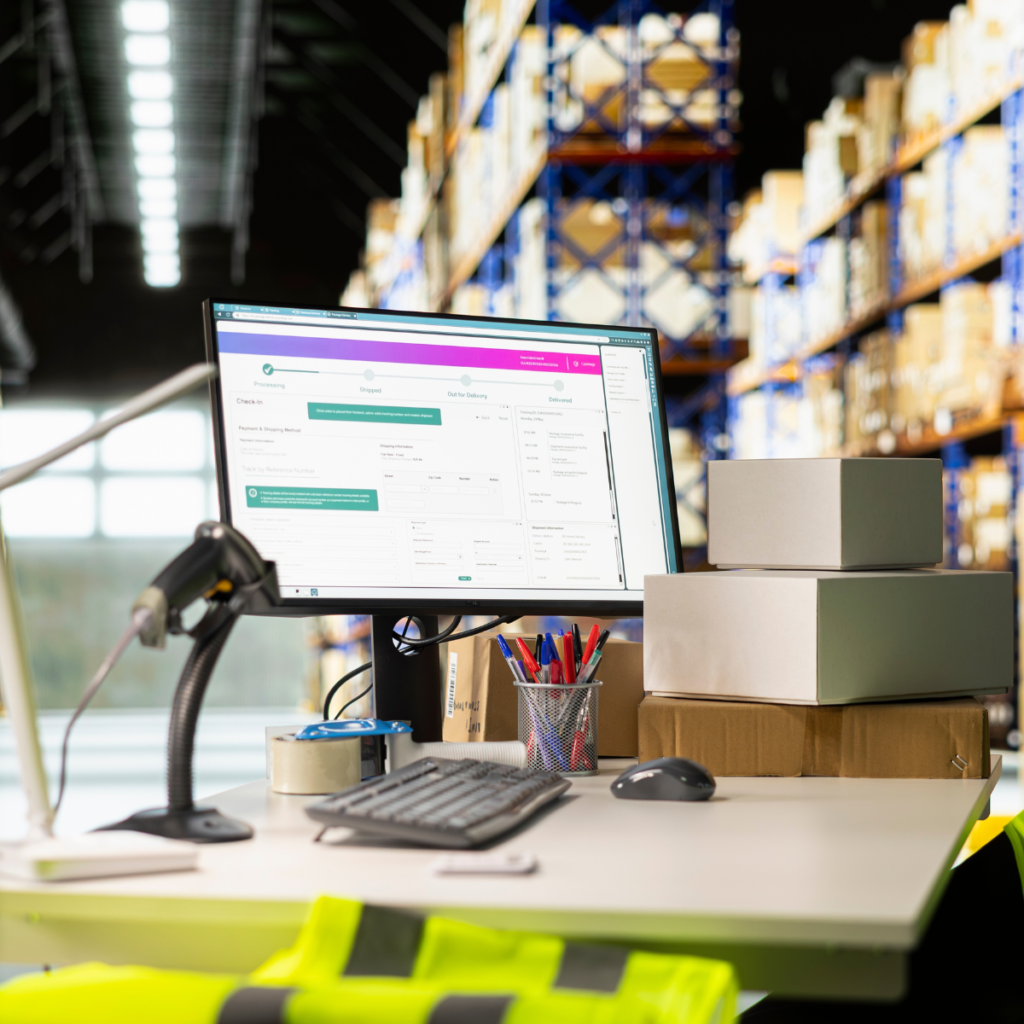
Once that structure is in place, wholesale catalogue management stops being a daily improvisation and starts working quietly in the background.
Repeated calls fall away, because your team can point buyers to a source they trust rather than reconstructing the answer each time. Handoffs get faster, since any CSR, not only the one who “knows the products,” can respond with confidence.
Pricing and stock information stop contradicting each other, because there is no longer a version quoted last week sitting on a spreadsheet nobody else can see. Perhaps most importantly, buyers form a different first impression entirely. A properly built digital catalogue for wholesalers in Trinidad signals that ordering with you is straightforward, not something to be negotiated afresh every time.
Why This Matters Now
Buyers across Trinidad and Tobago increasingly expect to find product information without waiting on a callback. When they cannot, some wait. Others quietly move to whichever supplier makes it easier to say yes, often without ever raising the issue directly. Moving from a price list to digital catalogue will not resolve every operational challenge a wholesale business carries. It does, however, remove the single most repeated point of friction: the gap between what you already know and what your buyer can access in that same moment.
Next post, we shift the lens again, to what buyers themselves are quietly assessing before they ever place that first order.
If any part of this sounds like your typical Monday morning, interact with us on our socials we would like to hear it.